|
Getting your Trinity Audio player ready...
|
Ghana midfielder Thomas Partey has been denied entry into Canada during the 2026 FIFA World Cup, creating an unexpected complication for the Black Stars as they begin their campaign in North America.
The 32-year-old, who currently plays for Spanish club Villarreal after leaving Arsenal, is facing seven charges of rape and one charge of sexual assault in the United Kingdom. The allegations involve four women and relate to incidents said to have occurred between 2020 and 2022. Partey has pleaded not guilty to all charges and is due to stand trial next year.
FIFA confirmed that the former Arsenal midfielder remains with Ghana’s training base in Boston after his visa application to enter Canada was refused by Canadian authorities. World football’s governing body stressed that it has no role in visa decisions, noting that host governments have the final say on who is permitted to enter their countries.
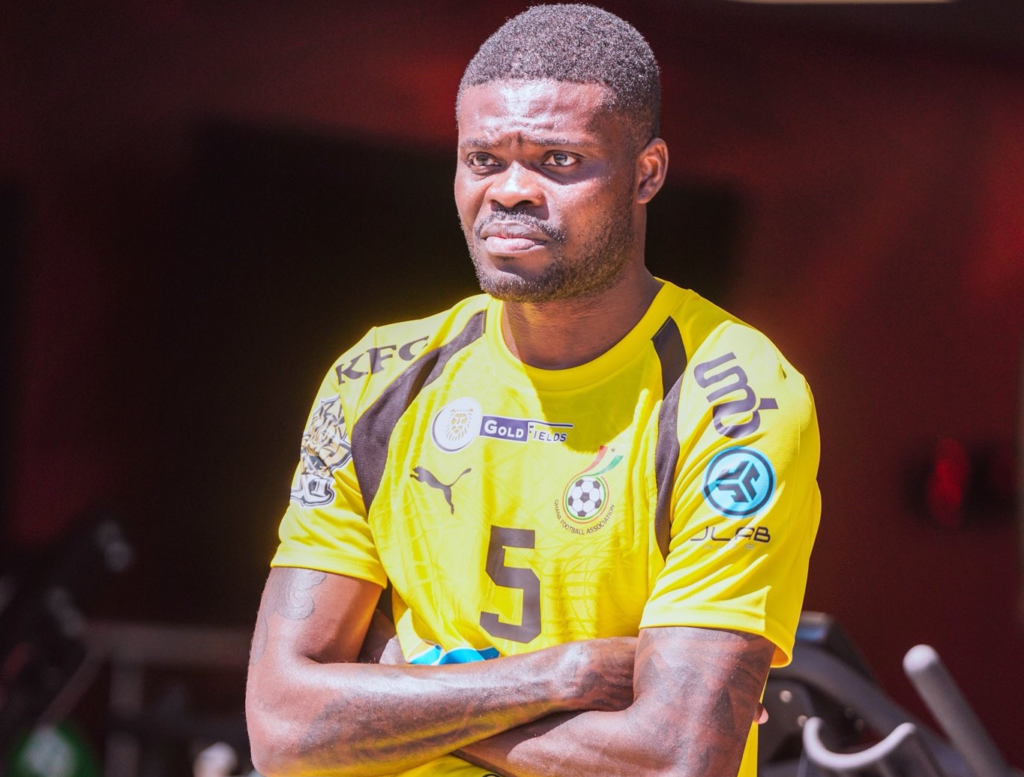
The decision contrasts with that of the United States, where Partey was granted entry despite the ongoing legal proceedings. A spokesperson for US Customs and Border Protection said authorities were aware of the pending court case but pointed out that the player has not been convicted of any crime. According to the agency, admissibility decisions are made on a case-by-case basis using available immigration, security and law enforcement information.
The development could have significant implications for Ghana later in the tournament. While Partey remains available for group-stage matches in the United States, including Ghana’s high-profile clash against England in Boston and their meeting with Croatia in Philadelphia, his participation could be affected if the Black Stars progress to knockout matches scheduled in Canadian cities such as Toronto or Vancouver.

Ghana coach Carlos Queiroz has already defended his decision to include Partey in the squad. Speaking before the tournament, the veteran coach said it was not his place to judge the player’s legal situation and insisted that the matter should be allowed to run its course through the legal system.
The Partey case is the latest immigration-related issue to emerge during the tournament. Iraq striker Aymen Hussein was reportedly questioned for several hours upon arrival in the United States before eventually being allowed entry. Iran has faced a series of difficulties, including visa issues affecting members of its delegation and travel complications for supporters. Somali referee Omar Artan, who had hoped to become the first Somali official to referee at a World Cup finals, was also denied entry into the United States despite holding valid travel documents.

These incidents have raised fresh questions about the challenges of hosting a World Cup across three countries with different immigration laws and security policies. While FIFA has promoted the tournament as a celebration of football’s global reach, visa disputes and border restrictions are increasingly becoming part of the story.
For now, Ghana’s focus remains firmly on the pitch, but the uncertainty surrounding Partey’s ability to travel freely between host nations means one of the team’s most experienced players could face obstacles that have nothing to do with football itself.