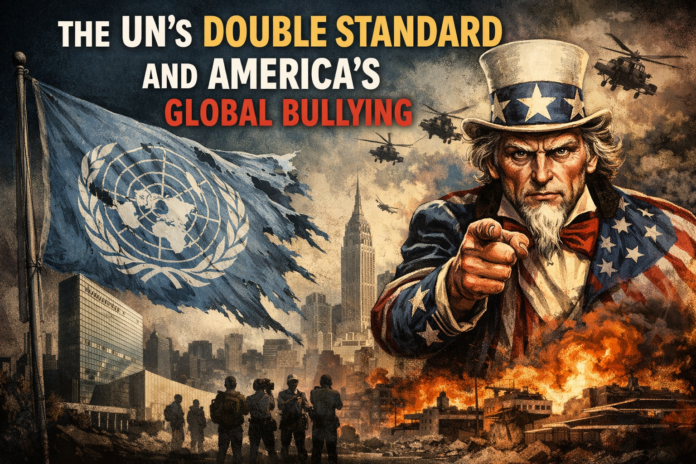

For decades, the United Nations has presented itself as the moral compass of the international system—a neutral arbiter committed to peace, sovereignty, and the rule of law. Yet in practice, its conduct exposes a troubling double standard, one that consistently shields powerful states while disciplining weaker ones. Nowhere is this hypocrisy more evident than in the unchecked bullying posture of the United States on the global stage.
The UN is swift to condemn elections, internal politics, or security measures in developing nations. Sanctions are imposed, leaders are delegitimized, and sovereignty is questioned—often based on vague accusations or politicized reports. But when the United States engages in military interventions, economic warfare, covert destabilization, or violations of international law, the UN suddenly becomes cautious, procedural, and silent.
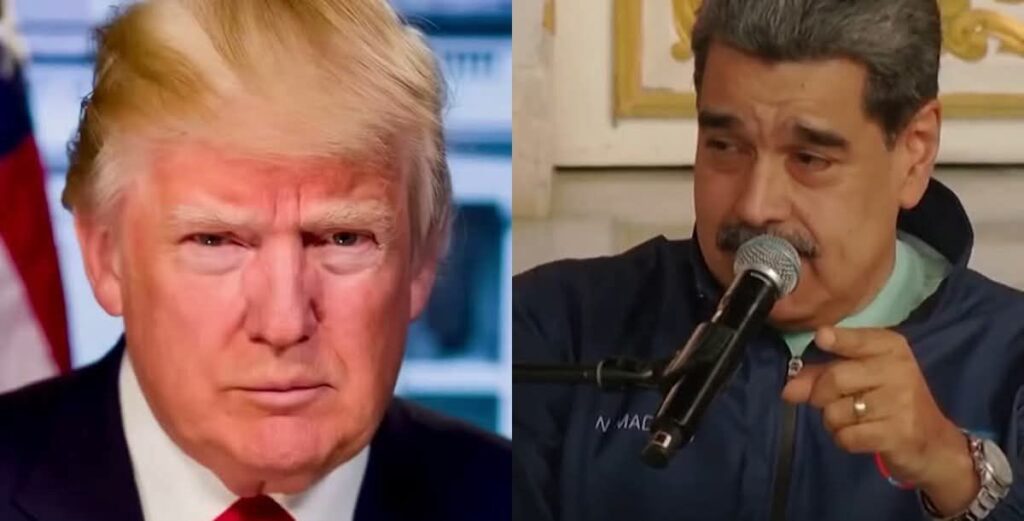
This is not coincidence. It is design.
The structure of the United Nations—particularly the Security Council veto—ensures that powerful states, especially the United States and its allies, remain effectively untouchable. International law is not applied universally; it is selectively enforced. Justice is not blind; it is strategic.
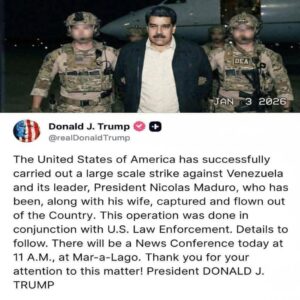
The United States has normalized a culture of intimidation in international relations. Through unilateral sanctions that cripple civilian populations, military bases encircling sovereign nations, and regime-change operations disguised as “democracy promotion,” Washington operates less like a partner in global governance and more like a global enforcer answerable to no one.
When nations resist this pressure, they are labeled “rogue states,” “authoritarian regimes,” or “threats to democracy.” Their leaders are demonized. Their economies are strangled. Their people are made to suffer—not as collateral damage, but as leverage.
And the United Nations? It issues statements.
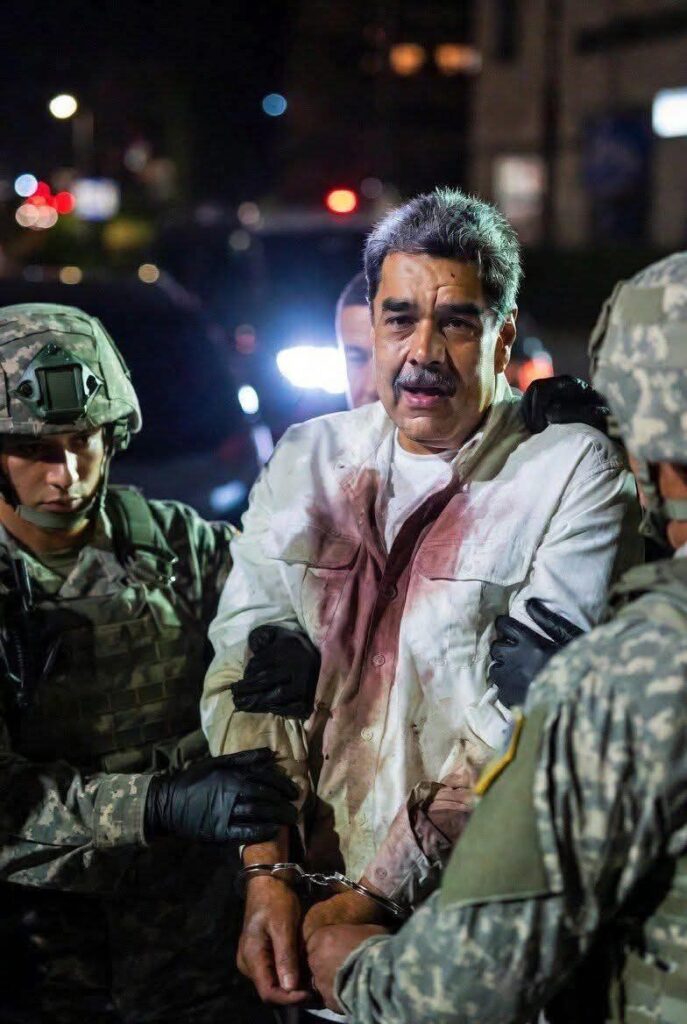
This passivity is not neutrality. It is complicity.
By failing to confront U.S. aggression with the same urgency applied to weaker states, the UN has undermined its own credibility. It has become an institution that manages power imbalances rather than corrects them—one that legitimizes coercion through silence and normalizes abuse through selective outrage.
The consequences are profound. Smaller nations learn that international law will not protect them. Sovereignty becomes conditional. Multilateralism becomes a myth. And the UN, rather than serving as a shield for humanity, becomes a stage where power performs legitimacy.
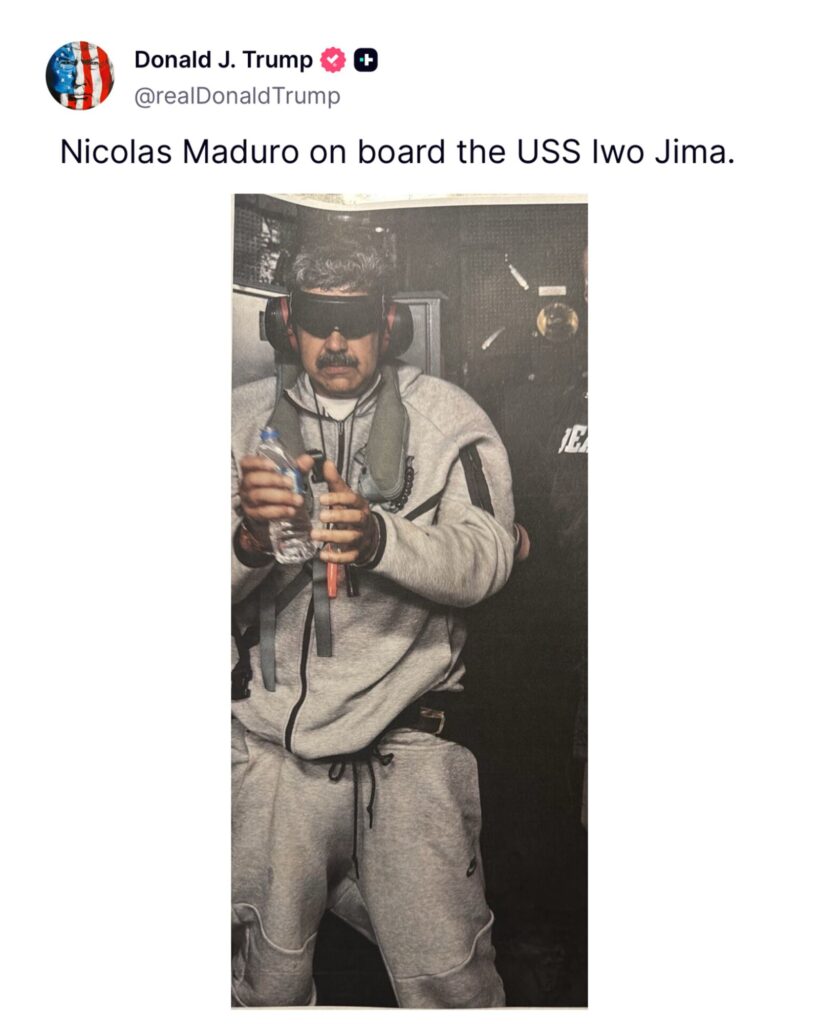
If the United Nations is unwilling or unable to hold the United States to the same standards it imposes on others, then it cannot claim moral authority. An institution that excuses bullying while punishing resistance is not a guardian of peace—it is an accessory to domination.
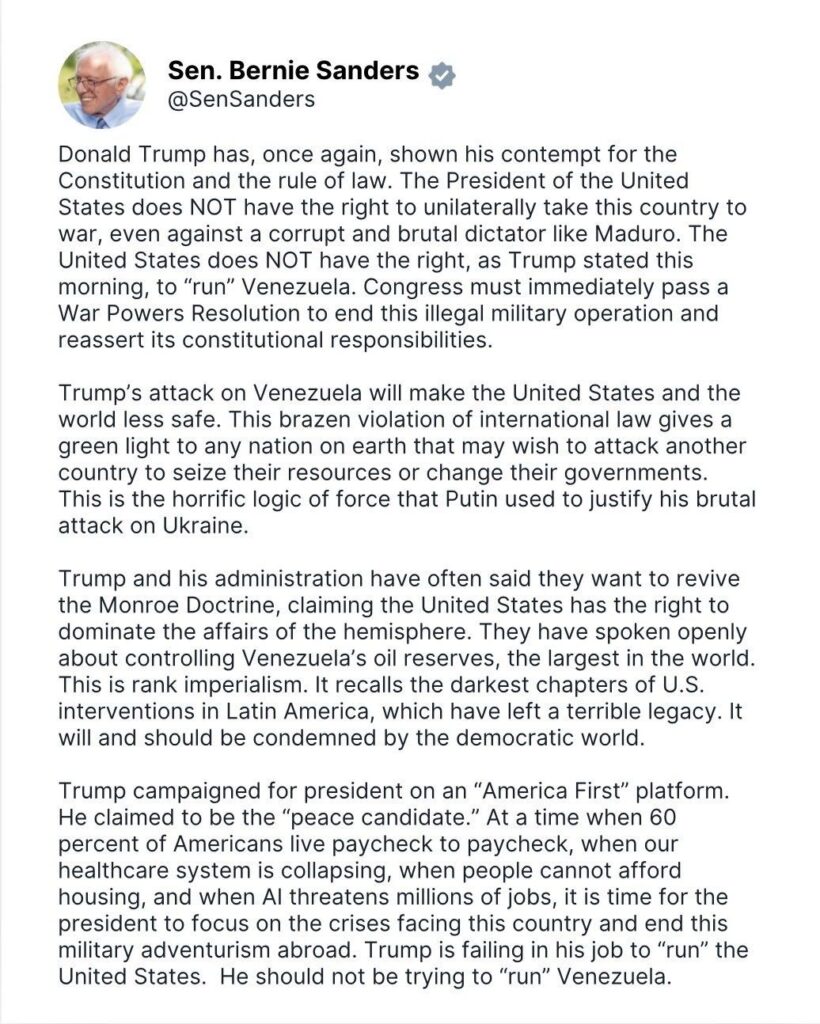
The world does not need a rules-based order where only the weak must obey the rules. It needs genuine accountability, equal sovereignty, and an international system that restrains power rather than worships it.
Until that transformation occurs, calls for reform will ring hollow, and the United Nations will continue its slow descent from global conscience to ceremonial spectator—watching injustice unfold, one double standard at a time.