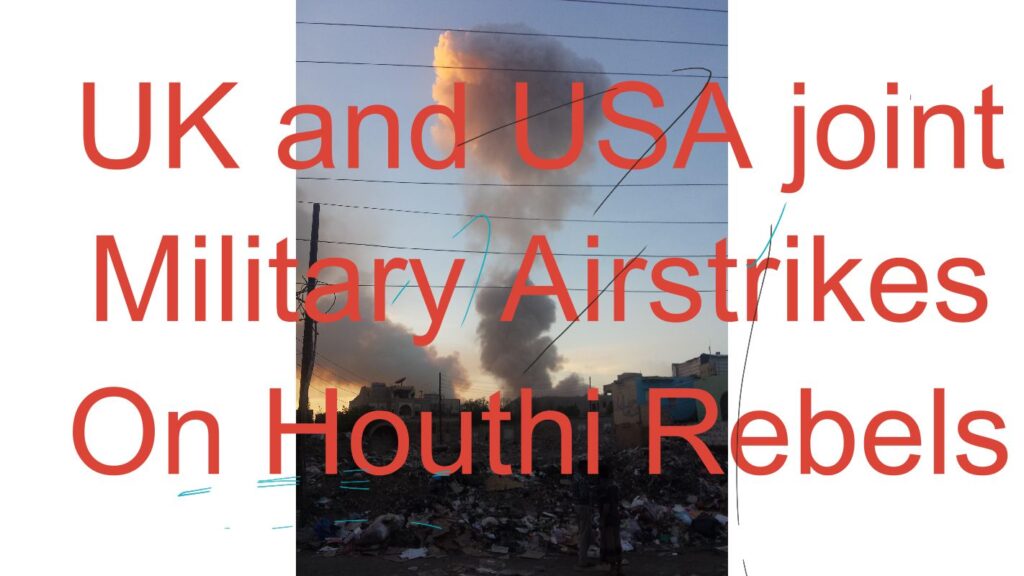
The Foreign Secretary defends airstrikes on Houthi rebels amid criticism from Turkey’s president. Lord Cameron emphasizes the joint American and British military action’s necessity to prevent increased attacks by rebels on vessels in the Red Sea.
Speaking exclusively to News Media, Cameron dismisses President Adana’s claim of disproportionality, stating the broad international coalition supporting the efforts includes the Dutch, Canadians, Australians, Bahrainis, and more.
- Tottenham’s Busy Summer Continues as Omar Marmoush Becomes Eighth Signing
- RUSSIA-UKRAINE WAR: EIGHT SCENARIOS THAT COULD DECIDE HOW THE CONFLICT ENDS
- MOURINHO’S NEW ERA: REAL MADRID LEAVE IT LATE
- Real Madrid escape first league week Drama at Espanyol.
Despite concerns about a potential link to the Israel-Gaza conflict, Cameron asserts the focus remains on achieving a sustainable ceasefire. He highlights ongoing efforts to increase aid to Gaza and facilitate a more extensive aid flow. However, he argues that not acting against Houthi attacks poses its own risks, pointing to almost two months of escalating assaults despite repeated warnings.
In a bold move, Cameron warns of additional airstrikes if Houthi attacks persist. Meanwhile, Dr. Sid Arthur Kourchal from the Royal United Services Institute suggests that de-escalation is unlikely at this point. The question arises: are the Houthis and their Iranian backers seeking de-escalation, or do they believe they can outlast the Western coalition?
Switching gears, Israel’s Prime Minister, Benjamin Netanyahu, remains resolute amid a lawsuit by South Africa alleging genocide in Gaza. Netanyahu insists that Israel acts within international law and strives to minimize harm to non-combatants. The situation in Gaza remains dire, with authorities reporting over 23,000 Palestinians killed since the conflict’s latest flare-up.
Stay tuned for more updates on this developing situation. I’m Marley Alison, and this is Danchima Media News updates.