

Manchester City have been found guilty on 114 of 115 Premier League charges. The independent commission’s decision, reported on Friday, lands like a long-delayed verdict after years of investigation, hearings, and silence. Sanctions have not yet been decided. An appeal is almost certain. The club maintains the process is still ongoing and has always denied wrongdoing.


Yet the reaction across much of English football has been less about due process and more about satisfaction. For many, this is not primarily a story about financial regulations. It is a story about a club that rose too far, too fast, and refused to stay in its place.
City were not always the villains. When Sheikh Mansour’s takeover arrived in 2008, the club were a modest force in the Premier League, occasionally competitive, frequently frustrated.
The transformation that followed titles, Champions League glory, a modern footballing machine was remarkable. For a time, some neutrals even admired the ambition. Then the admiration curdled. Success stopped looking romantic and started looking threatening. The same voices that once treated City as an entertaining underdog project began treating every trophy as evidence of a deeper crime.
This is the pattern. People love the story of the rise. They are far less generous once the rising party actually arrives at the top. The narrative shifts from “good for them” to “something must be wrong.” Scrutiny intensifies. Every sponsorship deal, every wage structure, every accounting choice becomes suspicious in a way that rarely applies with equal force to older, more established powers. The rules exist for a reason, and serious breaches should be punished. But the selective intensity of the outrage, the open glee in certain quarters, and the long-running atmosphere of moral superiority reveal something beyond pure regulatory concern.


Football has always had its hierarchies and its resentments. Clubs with new money challenge the old order and discover that the old order has long memories and sharp elbows. City’s dominance under Pep Guardiola did not just win silverware; it disrupted assumptions about who is allowed to be dominant. The charges, whatever their ultimate legal outcome, have become a convenient vessel for that broader discomfort.
This news about man city charges have showed how Manchester City is been hated. It proves that everyone want you to succeed until you succeeded then they want you to fail. #life
There is a larger life lesson here that extends past the Premier League table. Everyone claims to want you to succeed until you actually do. Then the same people who cheered the early chapters start looking for the ending that restores the previous ranking. Success does not simply attract admiration. It attracts scrutiny, envy, and a quiet hope that the successful party will eventually be cut down to size. City have lived that dynamic in public for more than a decade.

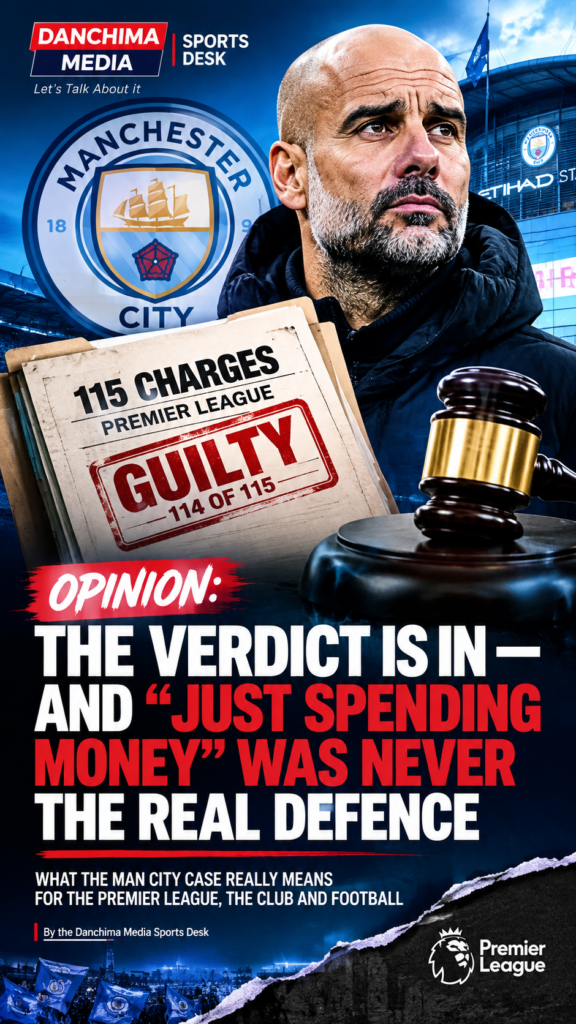
None of this means the club is above the rules or that an independent process should be ignored. If the findings hold on appeal and serious breaches are confirmed, consequences will follow, and they should. But the surrounding noise the celebratory tone, the selective historical memory, the eagerness to treat one club’s alleged misconduct as uniquely corrosive tells its own story. It is not only about financial fair play. It is about who is permitted to keep winning once they have started.
City will fight the decision. The legal process will grind on. Rivals will continue to watch with interest. And the underlying pattern will remain familiar: the world is often more comfortable with potential than with realized power. Everyone wants you to succeed until you have.