|
Getting your Trinity Audio player ready...
|
In a related effort to rebuild ties with Europe, Chancellor Rachel Reeves has called for more unified defence spending among European nations—similar to how U.S. states support national defence at the federal level.
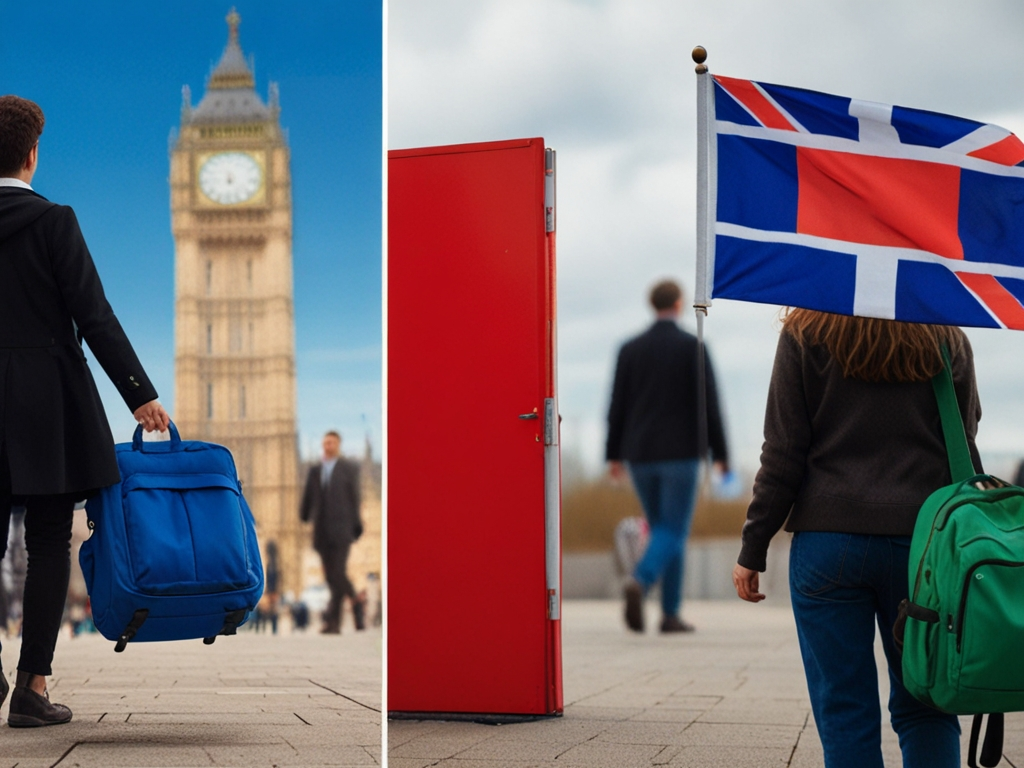
As the UK and EU prepare for a major summit in May, behind-the-scenes negotiations are heating up over a potential youth mobility scheme—one that could make it easier for people under 30 to live and work across borders. But there’s a snag: the UK and EU can’t seem to agree on how long those stays should last.
A Tug-of-War Over Visa Duration
Germany’s ambassador to the UK, Miguel Berger, has hinted that the EU is unlikely to accept the UK’s push for year-long visas as part of the deal. Instead, Brussels is sticking with its original offer: three-year visas for young people.
The UK, however, led by Home Secretary Yvette Cooper, reportedly wants to cap visas at one year. Why? To ensure young arrivals don’t show up in migration stats—likely a politically sensitive move as the government tries to balance public opinion on immigration.
Even so, EU diplomats say they’re open to talks. “If the UK insists on 12 months minus a day, we’ll listen,” one source said, though they stressed that three years remains the EU’s starting point. Other points of contention include visa caps, fees, and the UK’s immigration health surcharge.
Not a Return to Free Movement, Says Germany
Berger defended the youth mobility scheme against critics who argue it’s a “back door” to pre-Brexit freedom of movement. “This has nothing to do with migration,” he said. “These young people would come, stay for a while, and return home.”
He also pointed out that countries like Germany and Poland have tight labour markets—and they’d love to attract young UK talent. But the goal isn’t permanent migration, he stressed. “It’s about experience and opportunity.”
Berger added that the process would be fully visa-controlled—making it a far cry from the open-border policies of the past.

Support Within Labour, Hesitation From Government
More than 60 Labour MPs have now signed a letter supporting a “bespoke youth visa scheme,” hoping to boost cultural and professional ties with Europe.
Yet in Parliament, EU Relations Minister Nick Thomas-Symonds held firm. “Youth mobility is not part of our plans,” he said, though he left the door open to “sensible EU proposals.”
Still, for many EU nations, this youth mobility plan is a top priority in the broader post-Brexit negotiations.
UK Eyes Closer EU Defence Ties
In a related effort to rebuild ties with Europe, Chancellor Rachel Reeves has called for more unified defence spending among European nations—similar to how U.S. states support national defence at the federal level.
Speaking at the IMF spring meeting in Washington, Reeves said Europe needs to improve how its countries coordinate military budgets and procurement. “We need to better defend our continent against aggression,” she said.
UK May Join EU’s SAFE Defence Programme
Reeves’ comments come as Labour leader Sir Keir Starmer met with EU Commission President Ursula von der Leyen. One big talking point? A potential UK-EU defence deal, possibly tied to the EU’s SAFE programme—short for Security Action for Europe.
This programme allows EU members and partners to collaborate on defence purchases and planning. Von der Leyen said the UK’s involvement could “pave the way” for deeper security cooperation.
“We’ll discuss joint defence spending,” she said, while praising recent increases from several EU nations. Talks are expected to continue ahead of the May summit, with the UK signaling its willingness to go further on defence if the EU shows flexibility elsewhere—such as on youth visas.
Foreign Secretary David Lammy and defence officials also joined the meeting, underlining just how seriously the UK is taking the chance to reset relations with Europe—not just on migration, but on security too.







Thank you for your sharing. I am worried that I lack creative ideas. It is your article that makes me full of hope. Thank you. But, I have a question, can you help me?
Your point of view caught my eye and was very interesting. Thanks. I have a question for you.