|
Getting your Trinity Audio player ready...
|
In an era of high inflation and uncertainty, consumers are embracing “treatonomics” — spending on small luxuries and big experiences for a morale boost. Here’s why the trend is set to stay.
From lipsticks and collectible Labubu dolls to packed-out concerts, the global “treatonomics” trend is on the rise as consumers search for moments of joy in uncertain times. People are turning to affordable indulgences and enriching experiences to lift their spirits, even while cutting back on everyday essentials.
“Treatonomics” describes the growing appetite for purchases that provide emotional satisfaction — from budget-friendly luxuries like makeup, candles, and home accessories to high-cost, one-off experiences such as $200 concert tickets for Taylor Swift or weekend trips to see an Oasis reunion. While households are feeling the pinch of inflation and high interest rates, they’re still willing to spend on what makes them feel good.
This behaviour echoes the long-established “lipstick effect,” a phenomenon dating back to the Great Depression. It describes how small luxuries tend to sell more during economic downturns, as people opt for affordable treats instead of bigger, less attainable purchases. As retail analyst John Stevenson notes, “You can’t afford a new dress, but you can get a new lipstick. You can’t redecorate the house, but you can buy a throw or new cushions.”
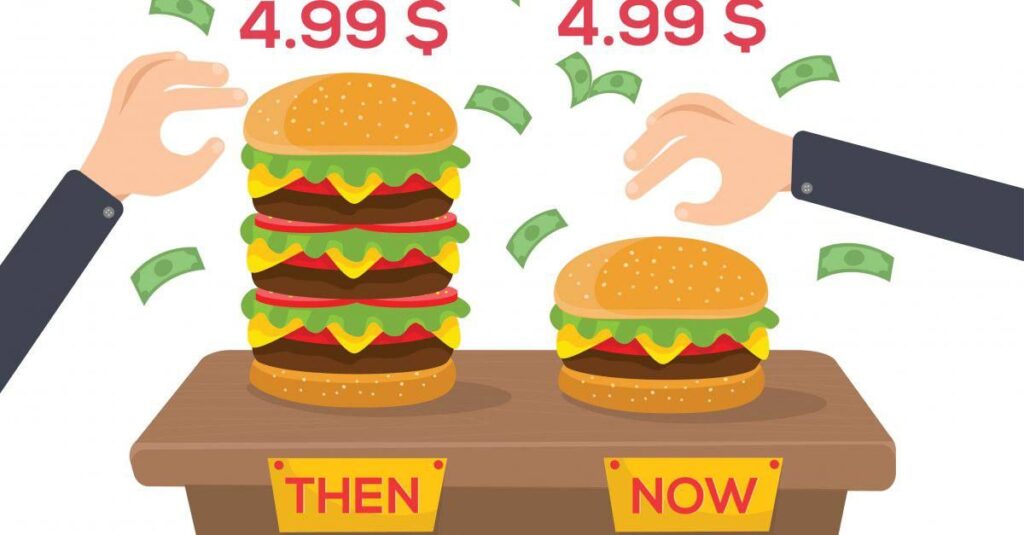
The Covid-19 pandemic intensified the shift, prompting many to reassess wellbeing and the value of memorable experiences. Unlike the traditional lipstick effect, treatonomics often involves cutting back on everyday living costs to fund bigger, meaningful indulgences.
Among younger consumers, this is reflected in “Little Treat Culture,” a Gen Z term for guilt-free joy. Meredith Smith of Kantar explains that with traditional milestones like home ownership, marriage, and career stability becoming less attainable, people now celebrate “inch-stones” — smaller, personal achievements or events. These range from pet birthdays and breakup parties to “resignation celebrations” and self-care rituals.
The trend also overlaps with “kidulting,” where adults embrace upgraded childhood joys — such as spending hundreds or even thousands on premium LEGO sets.
Consumer confidence remains fragile, with the UK’s GfK index at -19 in July 2025 and US figures showing only modest improvement. Economists believe this ensures that small luxuries and enriching experiences will remain attractive.
Kantar warns that the current “Great Uncertainty” in the global economy could persist for the next five to eight years. As a result, treatonomics is expected to thrive for at least the next three to five years, although micro-trends will evolve faster and vary across regions and cultures — a challenge for brands needing to stay agile in a rapidly shifting market.




Thanks for sharing. I read many of your blog posts, cool, your blog is very good.