Keir Starmer’s shock resignation as UK Prime Minister has sent political shockwaves across Britain. Less than two years after leading Labour to a historic election victory, Starmer announced he would step down following months of declining public support, controversial policy decisions, and growing pressure within his own party.
When Keir Starmer marched into Downing Street after Labour’s historic election victory, many believed Britain had entered a new political era. Less than two years later, that promise lies in ruins.
Starmer’s resignation marks one of the most dramatic political collapses in modern British history. A leader who once promised stability, competence and change leaves office amid sinking poll numbers, party infighting and growing public frustration.
His government never truly recovered from a series of controversial decisions. Cuts to winter fuel payments, tax disputes involving farmers, rising costs for employers and repeated policy reversals created an image of a government disconnected from ordinary voters.

But politics is often less about one decision and more about perception.
Starmer increasingly appeared to be a leader reacting to events rather than shaping them. His cautious style, once seen as an asset, became a liability in a country demanding bold answers to economic stagnation, immigration pressures and declining public services.
The final blow came not from the opposition benches but from within his own party. Labour MPs began openly questioning whether Starmer could lead them into the next election. Once that confidence evaporated, his position became impossible.
The Fall of Keir Starmer, How Do a Landslide Victory Turned Into Political Collapse
Advertisement
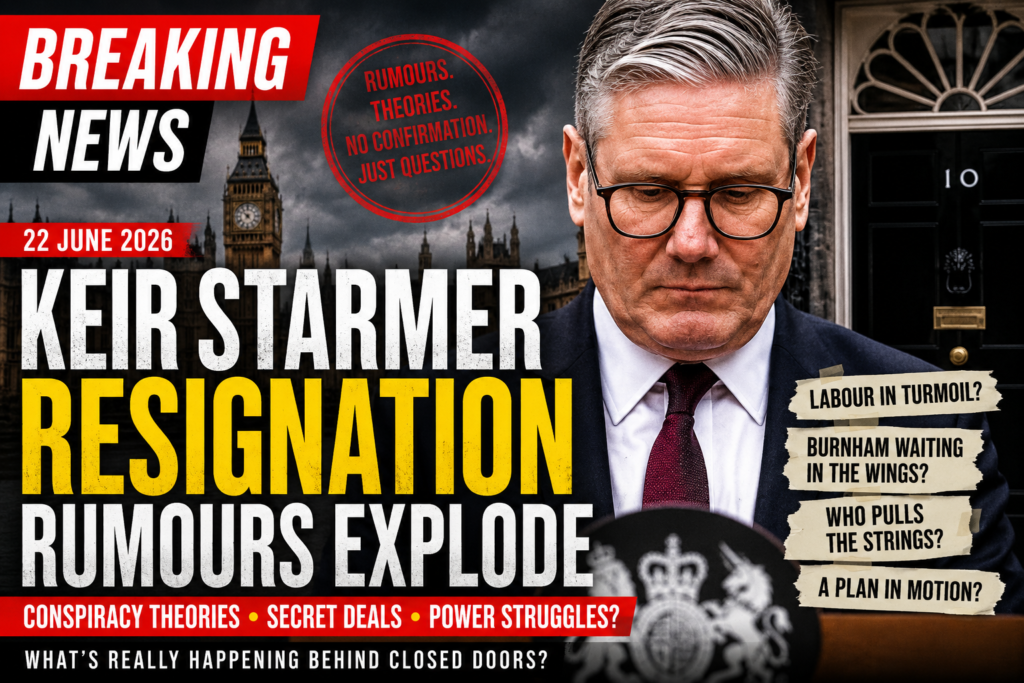
Now Labour faces a defining choice. The likely emergence of Andy Burnham as a successor could signal a dramatic shift in tone and direction. Yet changing the leader may not solve Labour’s deeper problem: convincing voters that it still represents hope rather than managed decline.
Starmer’s resignation is more than the end of a premiership. It is a warning about the speed with which political capital can disappear in the modern age.
The man who delivered Labour’s greatest victory in a generation will now be remembered for one of the shortest and most turbulent premierships in recent British history.
History can be cruel. Politics is even crueler.