


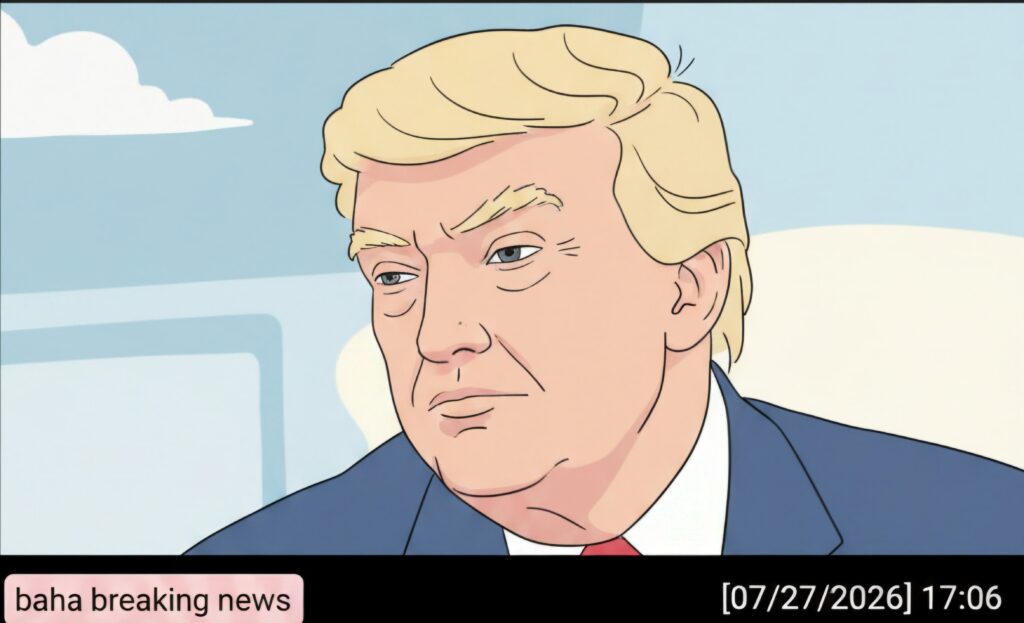
The latest warning from United States President Donald Trump should remind the international community of a sobering reality: peace in the Middle East remains fragile, and diplomacy often exists under the shadow of military force.
Trump’s declaration that the United States is prepared to return to “powerful military action” if negotiations with Iran fail is more than political rhetoric. It is a signal that Washington believes time is running out for diplomacy. While the White House insists indirect negotiations are underway through mediators, the absence of official confirmation from Tehran illustrates the deep mistrust that continues to define relations between the two nations.


History has repeatedly shown that military confrontation between the United States and Iran rarely produces lasting stability. Instead, every escalation has carried consequences far beyond the battlefield, disrupting global energy markets, threatening international shipping routes, and increasing uncertainty across the Middle East.
The reported focus on reopening the Strait of Hormuz is particularly significant. This narrow waterway is one of the world’s most critical energy corridors, carrying a substantial share of global oil exports. Any renewed conflict that endangers maritime traffic would not only affect the Gulf region but also fuel higher energy prices and inflation worldwide.
At the same time, diplomacy cannot become an endless exercise in delaying difficult decisions. Negotiations require commitment, transparency, and a willingness to compromise from all parties involved. If either side enters talks merely to buy time or strengthen its strategic position, the opportunity for a peaceful settlement will quickly disappear.

Trump’s remarks also raise broader questions about the balance between deterrence and diplomacy. While projecting military strength may increase negotiating leverage, it also risks hardening positions and making compromise politically more difficult. The challenge for both Washington and Tehran is to demonstrate that dialogue remains more valuable than confrontation.
The international community has a clear interest in preventing another cycle of violence. Regional allies, global powers, and diplomatic mediators should intensify efforts to encourage meaningful negotiations before military options once again dominate the agenda.
Ultimately, the choice before both governments is straightforward. One path leads to renewed conflict with unpredictable consequences for global security and the world economy. The other demands patience, compromise, and political courage—qualities that are often in short supply during periods of heightened tension.
The coming days may determine which path is taken. The hope is that diplomacy proves stronger than the drums of war.