The recent visit of UK Prime Minister Sir Keir Starmer to China marks the most significant shift in UK–China relations in nearly a decade. After years of strained diplomacy, both nations appear to be signaling a cautious economic and political thaw, driven by internal financial pressures and shifting global power dynamics.
Starmer’s trip—the first by a British prime minister since 2018—highlights a broader effort to revive trade, rebuild trust, and secure new investment channels between London and Beijing.
Why This Visit Matters
Both Britain and China are navigating economic uncertainty at home. For the UK, the mission aimed to open new trade opportunities in sectors such as:
Finance
Pharmaceuticals
Healthcare
Clean energy
Automotive manufacturing
For China, the visit serves as a strategic message to the West that it remains open to cooperation, especially as the United States adopts a more aggressive trade stance under President Donald Trump.
While no comprehensive free trade agreement emerged, the discussions resulted in tangible economic and diplomatic commitments that signal a slow but deliberate reset.
Key Agreements and Economic Gains
AstraZeneca’s Major Investment
AstraZeneca announced a $15 billion investment in China over the next four years to expand pharmaceutical research and manufacturing. This marks the company’s largest-ever financial commitment in the Chinese market.
UK Entry into China’s Energy Market
British energy firm Octopus Energy partnered with PCG Power to launch a digital electricity trading platform in China. The project is designed to improve power efficiency and support China’s renewable energy expansion, giving the UK a foothold in the world’s largest green energy market.
Scotch Whisky Tariff Reduction
China agreed to cut import tariffs on Scotch whisky by half, a move expected to inject approximately £250 million into the UK economy over five years. The deal strengthens Scotland’s global whisky competitiveness in a rapidly expanding Chinese consumer market.
Visa-Free Travel for British Citizens
British travelers can now visit China visa-free for up to 30 days, improving tourism, business travel, and cultural exchange. The UK joins a list of countries already benefiting from similar access.
Migration & Security Cooperation
Both governments committed to increased collaboration on combating human trafficking and migrant-smuggling networks, aligning with UK domestic security priorities.
What China Gains from the Deal
For Beijing, strengthening ties with the UK sends a powerful geopolitical signal—especially to Western allies skeptical of China’s global role.
China benefits through:
Increased access to UK and European markets
Greater export potential for electric vehicles, solar technology, and renewable equipment
Expanded investment opportunities in British finance, technology, and green industries
Improved diplomatic credibility as a stable global partner
Chinese state media framed the visit as a step toward turning long-term cooperation potential into real-world economic outcomes.
Ongoing Challenges for Foreign Businesses
Despite the progress, international firms still face persistent obstacles in China, including:
Regulatory complexity
Bureaucratic hurdles
Limited transparency
Market access concerns
While UK companies remain optimistic, they acknowledge the need for careful navigation of China’s business environment.
Geopolitical Risks and US Pressure
Starmer’s China outreach comes amid heightened tensions with the United States. President Trump has warned allies—including the UK—against deepening economic ties with Beijing, even threatening punitive tariffs against countries that expand cooperation with China.
Starmer, however, maintains that Britain does not need to choose between Washington and Beijing, framing the strategy as a balanced, growth-focused foreign policy.
Global Context: A Broader Western Shift Toward China
The UK’s visit is part of a broader trend. Leaders from France, Canada, and Finland have also traveled to Beijing recently, seeking economic diversification amid uncertainty in US-led trade policy.
As middle powers attempt to hedge against global volatility, competition for Chinese investment and market access is expected to intensify.
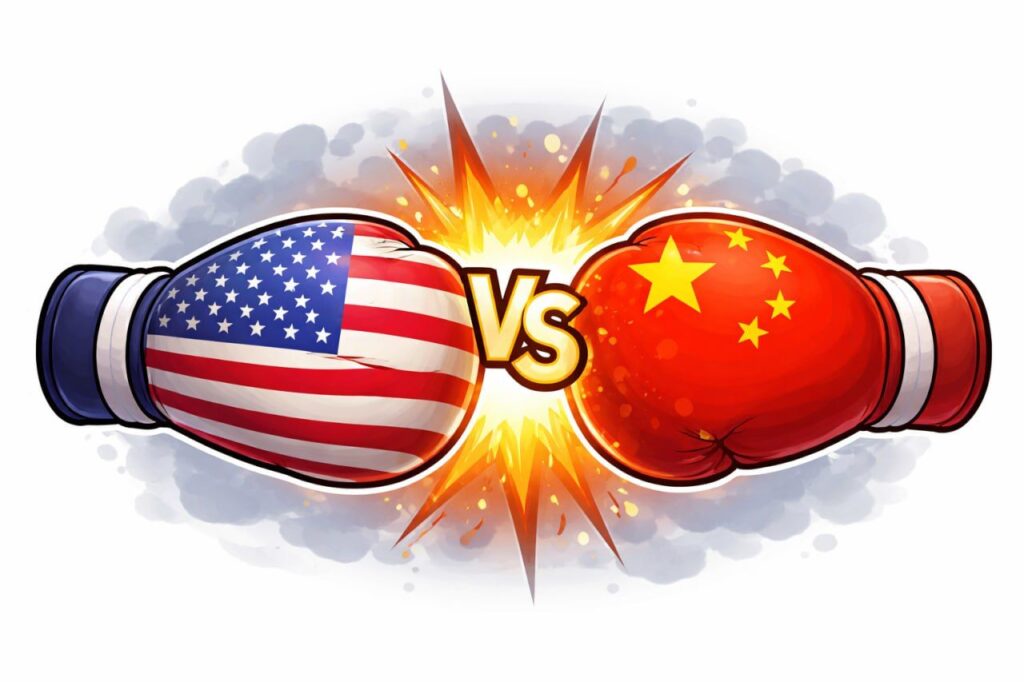
Sir Keir Starmer’s China visit does not mark a dramatic policy revolution—but it does represent a strategic recalibration. The UK is betting on pragmatic engagement to boost economic growth while managing geopolitical risks.
Whether this diplomatic reset delivers long-term benefits will depend on how effectively both nations translate symbolic agreements into sustainable economic progress.





**prostafense**
ProstAfense is a premium, doctor-crafted supplement formulated to maintain optimal prostate function, enhance urinary performance, and support overall male wellness.
**back biome**
Mitolyn is a carefully developed, plant-based formula created to help support metabolic efficiency and encourage healthy, lasting weight management.